Jaggaer Pricing: What It Costs in 2026
A verified breakdown of Jaggaer pricing in 2026 — including what the vendor won't tell you upfront.
Hylke Reitsma is co-founder of Forthsuite and a supply chain specialist with 8+ years of hands-on experience at Shell, Verisure, and Stryker. He holds an MSc in Supply Chain Management from the University of Groningen and writes practical guides to help e-commerce teams run leaner, faster supply chains. Selected by Replit as 1 of 20 founders for the inaugural Race to Revenue Cohort #1 (2026) and certified as a Replit Platform Builder.
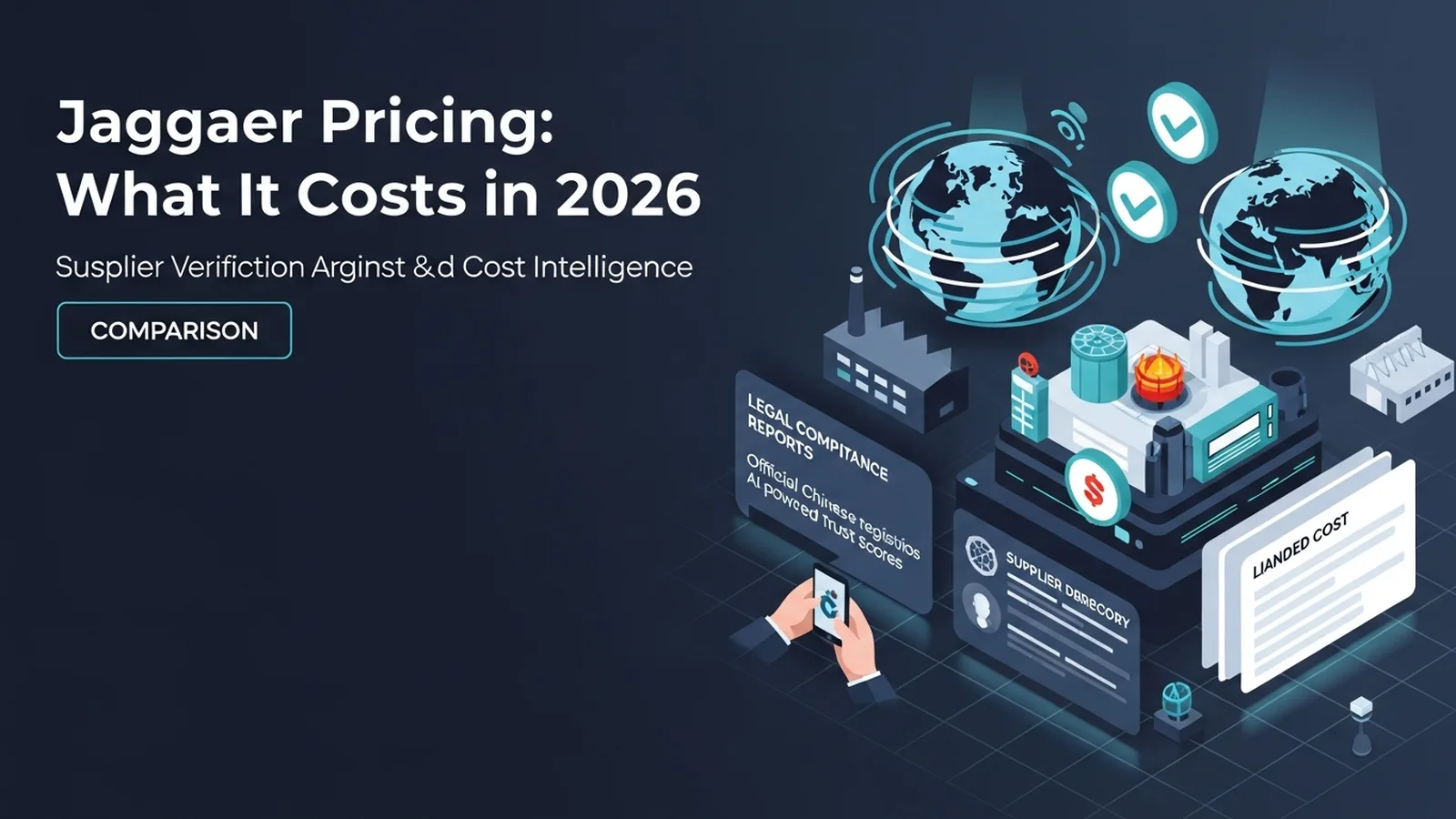
TL;DR: Jaggaer does not publicly disclose its pricing, but enterprise procurement software in this category is typically sold through custom enterprise quotes rather than public pricing depending on modules, users, and contract terms. Forthsource offers Shopify operators a streamlined alternative by sourcing suppliers and managing the entire purchase order lifecycle, including MOQ negotiations, lead time coordination, and factory communications.
Last Updated: 2026-05-16
Jaggaer is an enterprise procurement platform serving large organizations in manufacturing, education, healthcare, and the public sector. Formerly known as SciQuest, BravoSolution, and Pool4Tool, Jaggaer offers comprehensive source-to-pay solutions including sourcing, contract management, and supplier relationship tools. Organizations evaluating Jaggaer typically search for pricing information early in their buying process, but like most enterprise procurement platforms, Jaggaer's costs are not publicly listed.
Jaggaer pricing model
Jaggaer does not publish pricing on its website. The platform operates on a custom enterprise pricing model where contracts are negotiated directly based on module selection and organization size. All pricing discussions require contacting Jaggaer's sales team at https://www.jaggaer.com/contact/. This approach is standard for enterprise SaaS platforms targeting large organizations with complex procurement needs that vary significantly across industries and company sizes.
What drives Jaggaer's cost
Because Jaggaer pricing is customized for each enterprise client, several commercial factors influence the final contract value:
- Module selection: Jaggaer offers multiple procurement modules including sourcing, contracts, supplier management, and spend analytics. Organizations can select specific modules rather than purchasing the entire suite, which directly impacts pricing.
- Organization size: Larger enterprises with more users, suppliers, and transaction volumes typically face higher costs due to increased system load and support requirements.
- Industry requirements: Public sector and healthcare organizations may require specialized compliance features or configurations that affect pricing.
- Contract length: Multi-year enterprise agreements often include volume discounts compared to shorter commitments.
- Implementation and support: Enterprise platforms like Jaggaer typically bundle implementation services, training, and dedicated support into total contract value, which varies based on organizational complexity.
This custom pricing approach allows Jaggaer to tailor solutions to enterprise needs but makes it difficult for organizations to budget or compare options without engaging in lengthy sales cycles.
How Forthsource compares on price
Forthsource takes a transparent, usage-based pricing approach designed for organizations that need supplier verification and cost intelligence without enterprise procurement complexity:
- Free tier: 5 supplier searches per month at no cost, ideal for occasional verification needs
- Premium: $29/month for teams requiring regular supplier verification, legal compliance reports, and business verification against official Chinese registries
- Enterprise: $99/month including AI-powered trust scores and a landed cost calculator covering 100+ countries
Forthsource is purpose-built for supplier verification and cost intelligence rather than full procurement management. Organizations that need to verify suppliers, assess business legitimacy, or calculate landed costs can start immediately without sales calls or custom quotes. This makes Forthsource a better fit for:
- Mid-market companies sourcing from China and other international markets
- Procurement teams needing supplier due diligence before engaging larger procurement platforms
- Organizations requiring cost transparency tools without multi-year enterprise commitments
- Teams that value predictable monthly costs over customized enterprise contracts
While Jaggaer and Forthsource serve different primary use cases, Forthsource's transparent pricing and immediate access provide an alternative for organizations where supplier verification and cost intelligence are the priority.
Is Jaggaer worth the cost?
For large enterprises in manufacturing, healthcare, education, or the public sector with complex procurement requirements across multiple categories and thousands of suppliers, Jaggaer's comprehensive platform can justify custom enterprise pricing. However, organizations needing primarily supplier verification, compliance checks, or landed cost calculation may find more value in transparent, accessible alternatives like Forthsource. The custom pricing model makes Jaggaer most appropriate for organizations with dedicated procurement budgets and the resources to manage enterprise software implementations.
Pricing accuracy note: Jaggaer pricing sourced from https://www.jaggaer.com and verified on 2026-05-16. Pricing is subject to change — confirm current rates directly with Jaggaer before signing.
Understanding Total Cost of Ownership for Enterprise Procurement Platforms
When comparing enterprise procurement solutions like Jaggaer to lighter-weight alternatives, the initial software license is only one component of total cost. Organizations must account for implementation timelines, which can stretch across months for large deployments. Custom configurations, data migration from legacy systems, and integration with existing ERP platforms add substantial costs that aren't always apparent in early conversations with vendors.
Beyond implementation, ongoing expenses include dedicated customer success managers, training for new team members, and periodic system upgrades. Enterprise platforms often require IT resources to maintain integrations and troubleshoot complex workflows. For mid-market Shopify merchants and smaller manufacturers, these hidden costs can make enterprise procurement platforms disproportionately expensive relative to the value delivered.
When Jaggaer Makes Sense vs. When It Doesn't
Jaggaer is purpose-built for large organizations with complex, multi-department procurement operations. If your organization manages thousands of suppliers across multiple business units, operates in heavily regulated industries like healthcare or government contracting, or requires advanced contract lifecycle management with sophisticated approval workflows, Jaggaer's comprehensive feature set justifies the investment.
Conversely, if you're a Shopify merchant importing finished goods or components from a manageable supplier base, or a smaller manufacturer focused on product quality rather than procurement complexity, enterprise platforms introduce unnecessary overhead. Many growing brands find themselves paying for modules and capabilities they never use. In these cases, point solutions that address specific pain points—like supplier verification, landed cost calculation, and business legitimacy checks—deliver faster ROI with simpler implementation.
Key Questions to Ask Before Committing to Enterprise Procurement Software
Before initiating a sales cycle with Jaggaer or similar platforms, clarify your actual needs. Are you struggling with supplier identification and verification, or do you need sophisticated spend analytics across hundreds of active vendors? Do you require formal contract management with approval hierarchies, or do you primarily need visibility into lead times and MOQ negotiations?
Evaluate whether you have the internal bandwidth to manage implementation and ongoing administration. Enterprise platforms demand engagement from multiple departments—procurement, finance, IT, legal—and require dedicated time to configure properly. If your team is already stretched thin, a simpler, more transparent pricing model may allow you to deploy faster and start capturing value immediately.
Consider also your growth trajectory. If you're scaling rapidly, you may outgrow lightweight tools within two to three years, making a more robust platform a better long-term choice. Conversely, if you've reached a stable operational stage and supplier relationships are established, you may not need the complexity that enterprise procurement platforms provide.
What Should Procurement Software Cost Really Include?
Regardless of which platform you select, transparent pricing should cover core functionality without surprise fees. Look for clarity on user seat limits, transaction volumes, and whether ancillary services like training, onboarding, or custom integrations are bundled or billed separately. Some vendors quote attractive base prices but add substantial charges for implementation, data migrations, or technical support tiers.
A good vendor partner should also explain what happens as your business scales. Will per-user costs decrease at certain volume thresholds? Are you locked into a multi-year commitment, or can you adjust your plan quarterly? How are new feature releases rolled out, and do they trigger additional licensing costs?
For Shopify merchants and smaller manufacturers, transparent, usage-based pricing eliminates guesswork. You pay for what you use, scale costs as your supplier base grows, and avoid long sales cycles or multi-month implementations that delay your ability to optimize procurement operations.
About the Author

Hylke Reitsma is co-founder of Forthsuite and a supply chain specialist with 8+ years of hands-on experience at Shell, Verisure, and Stryker. He holds an MSc in Supply Chain Management from the University of Groningen and writes practical guides to help e-commerce teams run leaner, faster supply chains. Selected by Replit as 1 of 20 founders for the inaugural Race to Revenue Cohort #1 (2026) and certified as a Replit Platform Builder.
LinkedIn